• Capital: Sofia
  • Time Zone: GMT +2
  • Currency: Lev

For most foreign holidaymakers, Bulgaria’s main lure is its long, sandy Black Sea Coast – which still boasts swaths of stunning beaches and picturesque bays despite the expansive construction work – but there is so much more to this country, and so much of it remains largely untouched and unvisited by overseas tourists. Networks of well-maintained hiking trails and horse-riding routes allow you to discover Bulgaria’s lush mountainous and forested landscapes, especially around the Rila and Pirin Mountains, inhabited by bears, lynx, rare birds and other kinds of wildlife now becoming scarce elsewhere in Europe. Getting around the country is easy, with cheap and efficient public transport to ferry you between the cities and into the remoter, rural corners, where the traditional, slow pace of life continues much as it has done for centuries. The cities, too, are often overlooked highlights, from dynamic, cosmopolitan Sofia with its lovely parks, sociable alfresco bars and fascinating museums, to the National Revival architectural treasures and Roman remains of Plovdiv, and the youthful maritime cockiness of Varna.

Cities

Sofia02895ee5a7c879beac73496d2e1be3fb.jpg
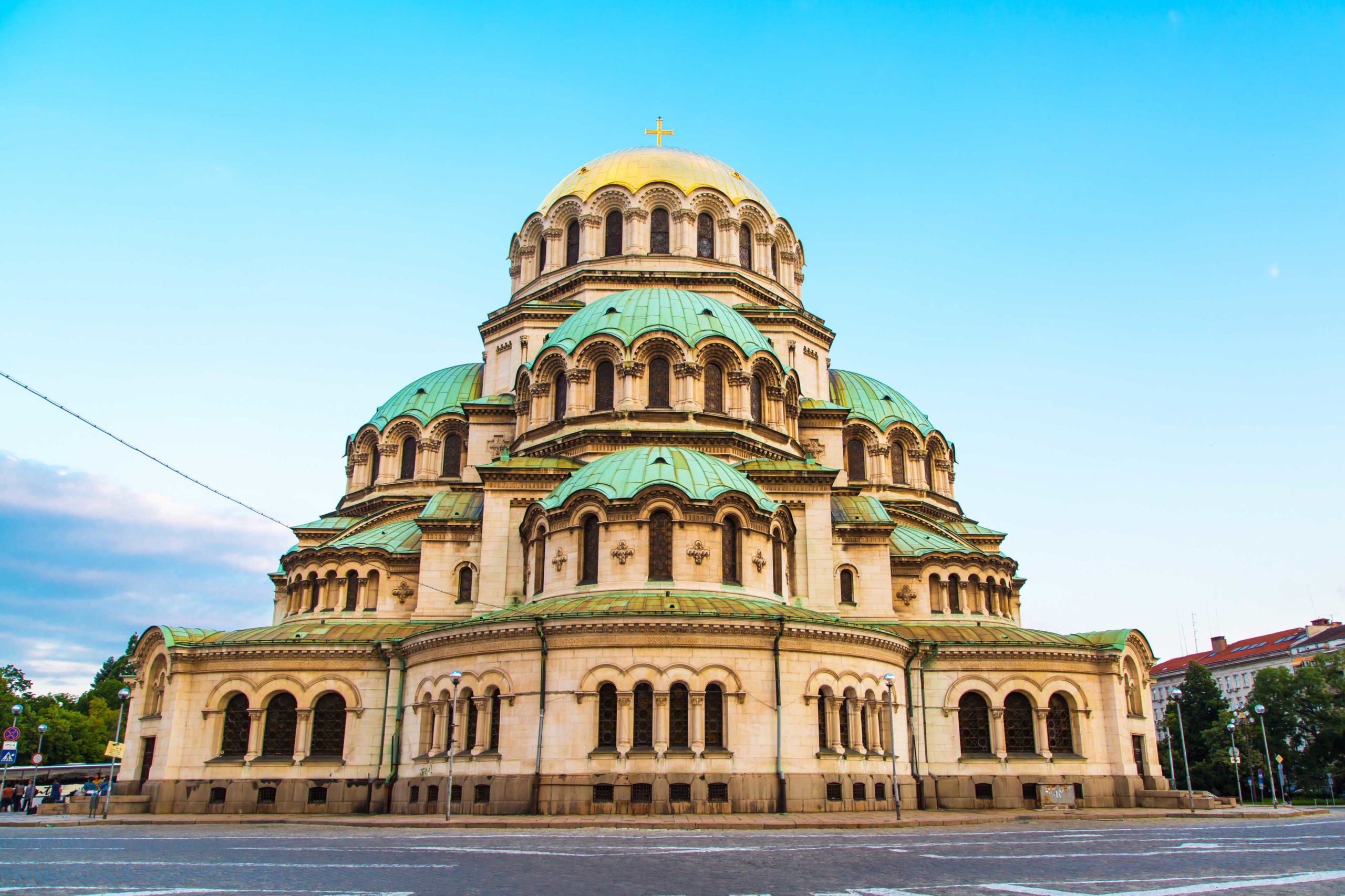
Bulgaria’s pleasingly laid-back capital is often overlooked by visitors heading straight to the coast or the ski resorts, but they’re missing something special. Sofia is no grand metropolis, but it’s a largely modern, youthful city, with a scattering of onion-domed churches, Ottoman mosques and stubborn Red Army monuments that lend an eclectic, exotic feel. Recent excavation work carried out during construction of the city’s metro unveiled a treasure trove of Roman ruins from nearly 2000 years ago, when the city was called ‘‘Serdica’’. Away from the buildings and boulevards, vast parks and manicured gardens offer a welcome respite, and the ski slopes and hiking trails of mighty Mount Vitosha are just a short bus ride from the city center. Home to many of Bulgaria’s finest museums, galleries, restaurants and clubs, Sofia may persuade you to stick around and explore further.

Plovdiv03aab01ec82fd387b6d4b56fb4a522c4.jpg
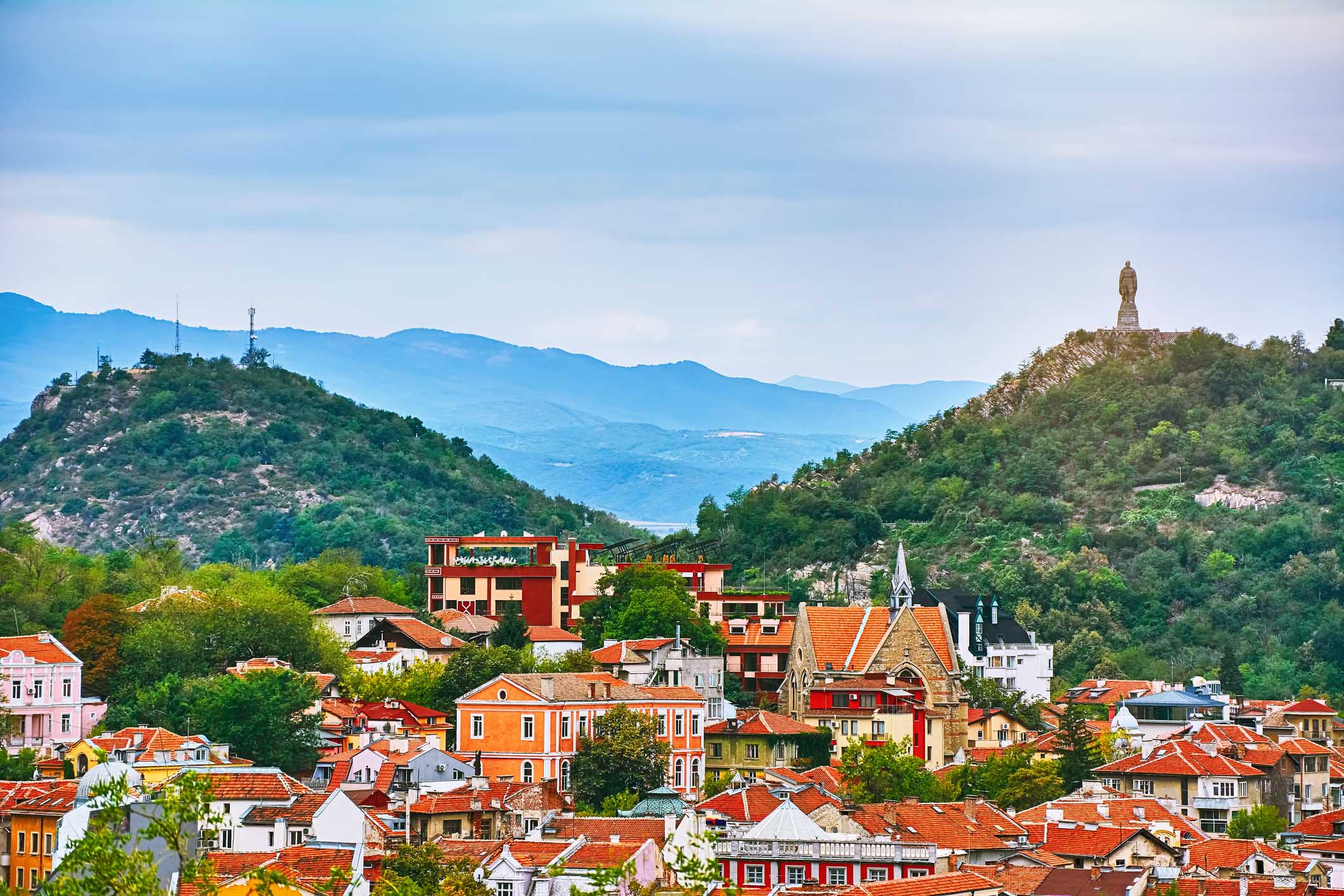
With an easy grace, Plovdiv mingles invigorating nightlife among millennia-old ruins. Like Rome, Plovdiv straddles seven hills; but as Europe’s oldest continuously inhabited city, it’s far more ancient. Plovdiv is best loved for its romantic old town, packed with colorful and creaky 19th-century mansions that are now house-museums, galleries and guesthouses.

Veliko Tarnovo1cd15d7f72b4c4c6788c8a98d5850816.jpg
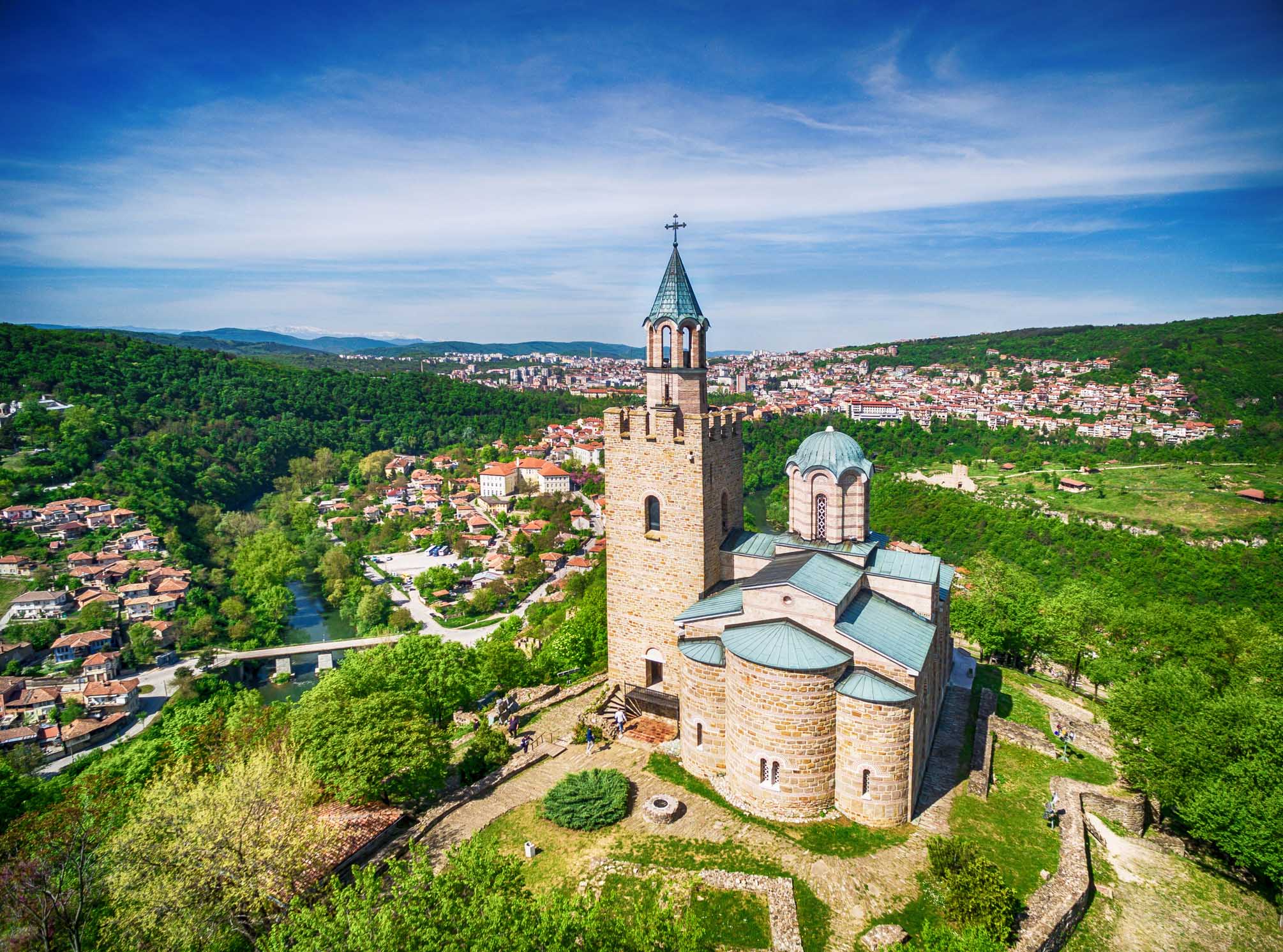
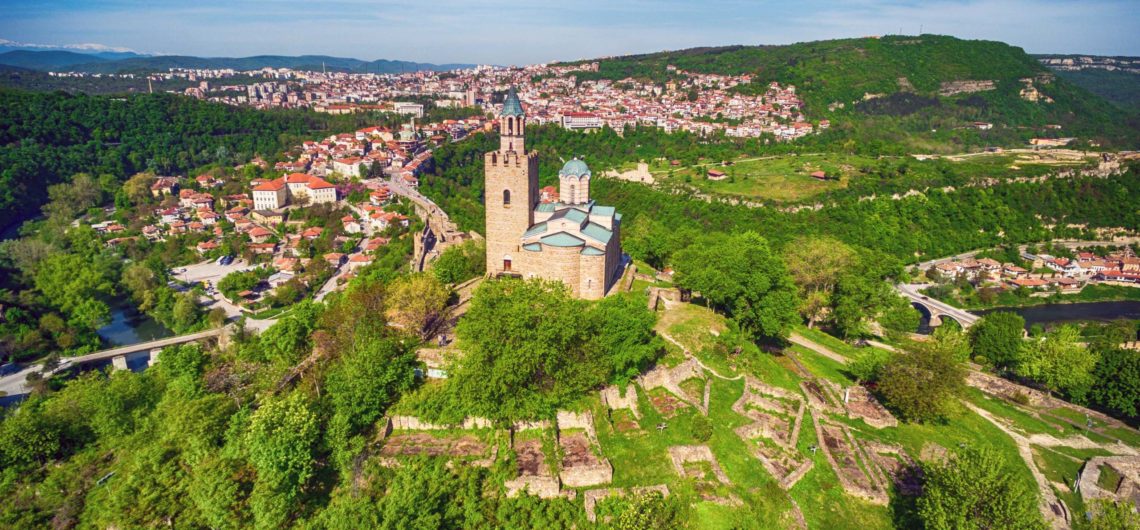
Medieval history emanates from Veliko Tarnovo’s fortifed walls and cobbled lanes. One of Bulgaria’s oldest towns, Veliko Tarnovo has as its centerpiece the magnifcent restored Tsarevets Fortress, citadel of the Second Bulgarian Empire. Historic Tarnovo is tucked into the dramatic bends of the Yantra River, clasped by an amphitheater of forested hills. Bulgaria’s 19th-century National Revival splendor is easy to relive along historic lanes such as Gurko street; similarly evocative is handicraft market Samovodska Charshiya, which retains much the same atmosphere it had two centuries ago. Today’s Tarnovo has Bulgaria’s second-largest university and is home to a multicultural expat scene. Its location between Bucharest and Istanbul has made it a backpacker favorite, though it’s worth more than a stopover if you’re to see it from the heights of its fortress down to its tangle of ramshackle lanes.

Language

Bulgarian, Russian and English. Be careful! To say yes, Bulgarians shake their heads left and right. To say no, they tilt it back and forth.

Electricity

The electricity is 220 volts; therefore, an adapter and/or converter will be required.

Entry requirements

 Kindly make sure to have the proper documents required to enter the countries you are visiting. Please refer to www.travel.gc.ca for updated information. Regarding visas, you can refer to the link: www.travel.gc.ca/travelling/advisories.
Failure to obtain these documents prior to travel can result in being denied entry or exit from the country.
 

Communication

International access code (exit code in Europe): 00 International dialing code: 359 If you are calling from any other European country, the international dialing code 359 is only required to call Bulgaria from abroad. So it will be: 00 359 and local phone number. Concerning national calls made in Bulgaria, it is not necessary to dial the 359 country code. If you are calling from Canada, please dial 011, then 359 and finally the local phone number in Bulgaria.
What Exotik can offer

  • Around Taiwan in a week
    • Capital: Taipei
    • Currency: New Taiwan Dollar (TWD)

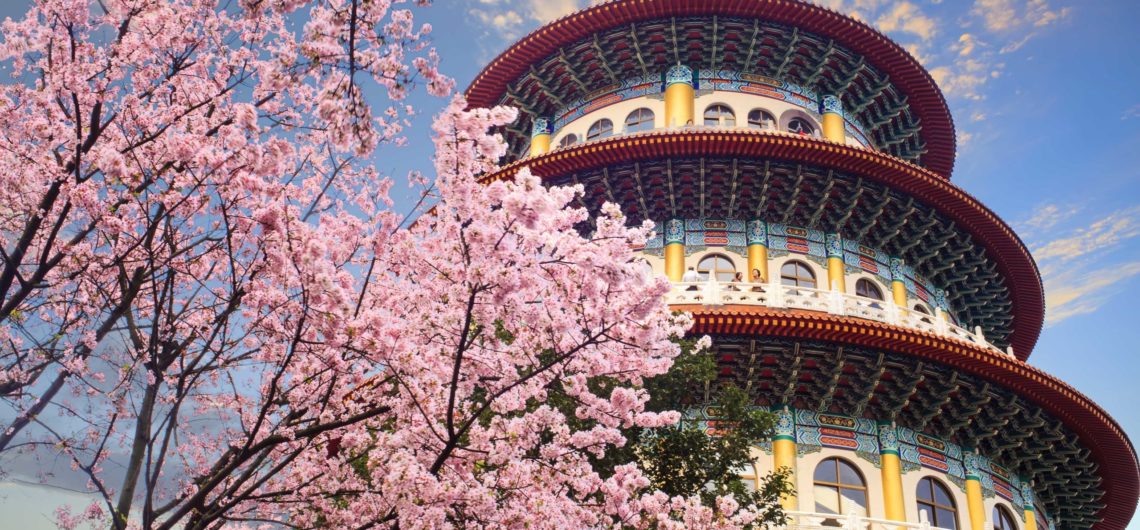
    Taiwan is a small island state located 180 km east of China, offering modern cities to the west of the island, along the coastal plain between Taipei and Kaohsiung, traditional Chinese temples, spas and a spectacular mountainous area on the east side. A wild island where nature is still intact, it is covered with 70% vegetation and is crossed by the highest mountain range in Northeast Asia, except Tibet.

    Cities

    Taipei37aab97c5efe7fe53042c9a96f78db9b.jpg

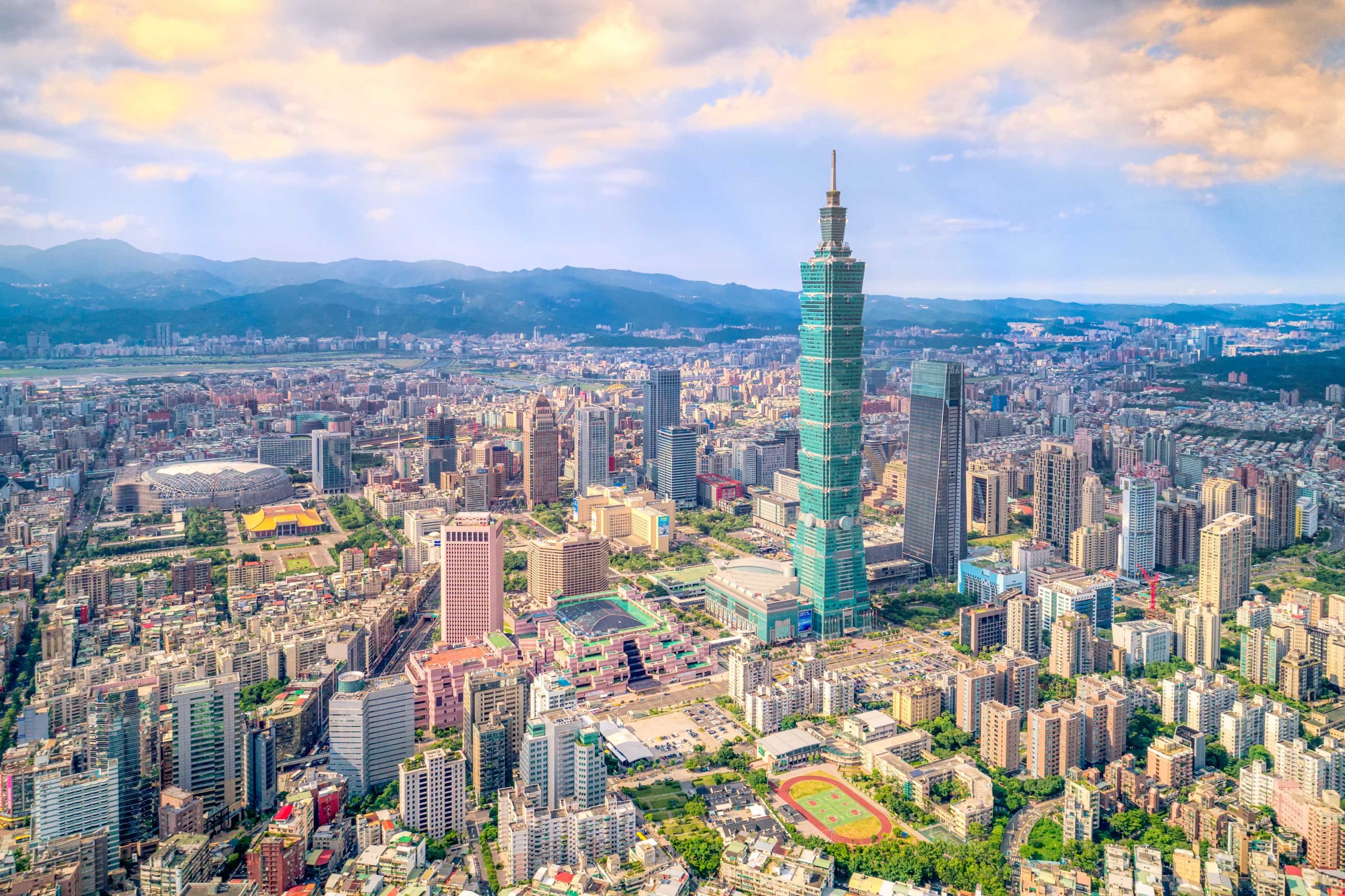
    To the north, Taipei, the capital of the country, is famous for its lively night markets, the National Palace Museum where are exhibited works of Chinese imperial art transferred from the Forbidden City of Beijing in 1949, as well as the Tchang Kaï-chek Memorial and Taipei 101, a 509 meter tall, bamboo-shaped skyscraper with an observatory. Do not miss out on the old Wanhua and Datong neighborhoods full of historic sites like Longshan Temple

    Kaohsiungb45ddc1fc0c2bd7df3ab5aefd62ecd38.jpg

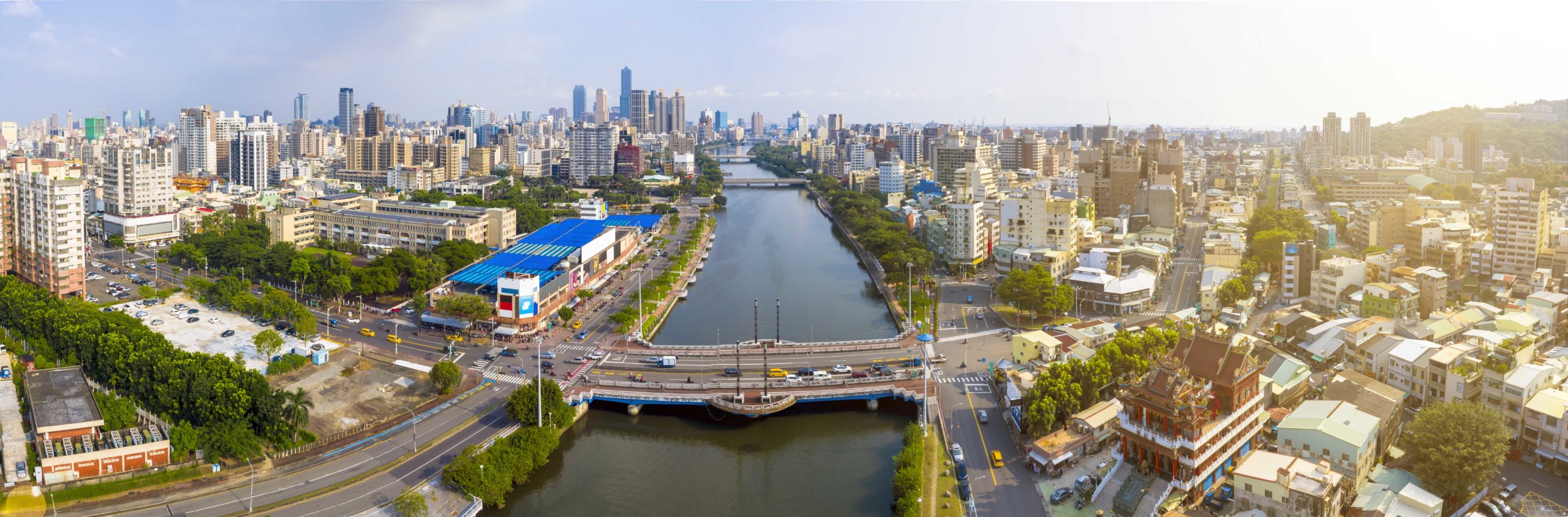
    Located in the south of Taiwan, this port city is renowned for the diversity of its parks housing many skyscrapers. Kaohsing enjoys pleasant weather all year long thanks to the regulating effects of the marine climate. City with several popular sightseeing sites, including Love River, Shoushan (Mount Shou), Xiziwan Bay, Lotus Pond, Qijin and Zuoying Old Town. Kaohsiung also offers picturesque mountains, views of the ocean and rivers, as well as port, cultural and historical attractions. You can also visit the nearby village of Hakka, Meinong, to discover the traditional art of the oiled paper umbrella.

    National Park of Tarokoa0cabd425df17f5369a7aa22e0a57df7.jpg

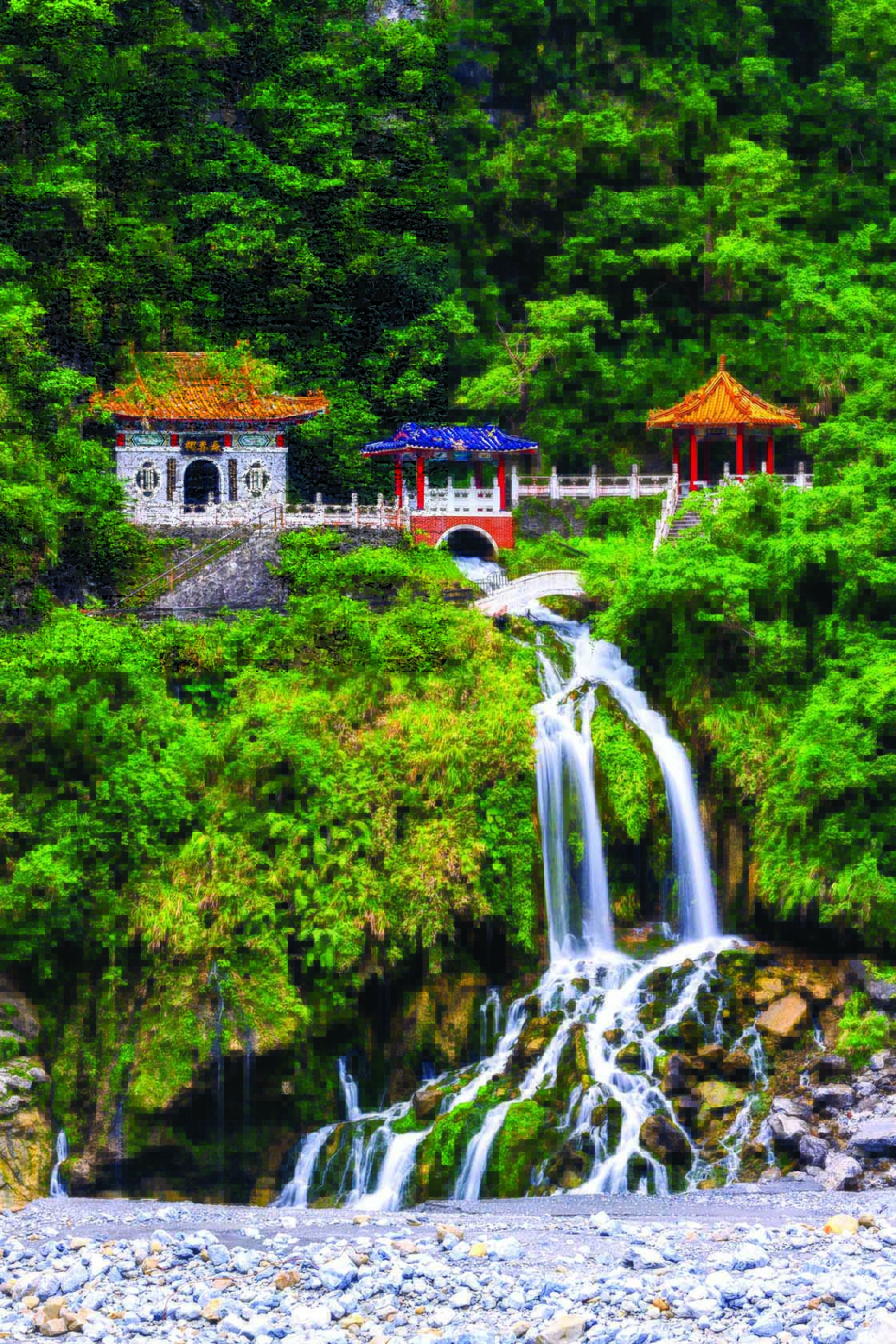
    Taroko National Park is one of nine national parks in Taiwan. To visit Taroko gorge is to discover an imposing nature. The Gorges of Taroko have been carved over the years by a river that has gently but surely shaped the landscape of these mountains of granite and marble. These are the kind of places that alone justify a long trip.

    Language

    Taiwanese, Mandarin Chinese

    Communication

    International access code: 002 International dialing code: 886 Concerning national calls made in Taiwan, it is not necessary to dial the 886 country code. If you are calling from Canada, please dial 011, then 886 and finally the local phone number in Taiwan.

    • Time Zone: GMT +1
    • Currency: Swiss franc

    Known as a summer and winter sports paradise, Switzerland is where people first skied for fun. Illustrious names evoke all the romance and glamorous drama of the mountain high life: Zermatt, St Moritz, Interlaken, Gstaad, the Jungfrau, Verbier and more. Cities like Geneva (the most cosmopolitan), Zürich (the most outrageous), Basel and Lausanne heave with heady artistic activity and sometimes incendiary nightlife. Beyond the après-ski chic, edelweiss and Heidi lies a complex country of cohabiting cultures. You could be chomping on sausages over beer in an oom-pah-pah Stübli one day and pasta over a glass of merlot in a granite grotto the next. And if over-indulgence becomes a problem try one of the country’s thermal baths, from Yverdon-les-Bains to Scuol. The grandeur of the finest churches, such as the cathedrals in Lausanne and Bern, contrasts with sparkling but lesser-known treasures like the frescoes of Müstair or the abbey complex of St Gallen (both World Heritage sites). The list of enchanting towns is endless: from Lucerne with its covered bridge to Neuchâtel and its fountains; from Gruyeres with its cheese, and Grimentz with its traditional timber houses to the sgraffito-blazoned buildings of Engadine towns like Scuol and Zuoz.

    Cities

    Bern8ffb71876a9ed89915c70fbd17f1cb06.jpg

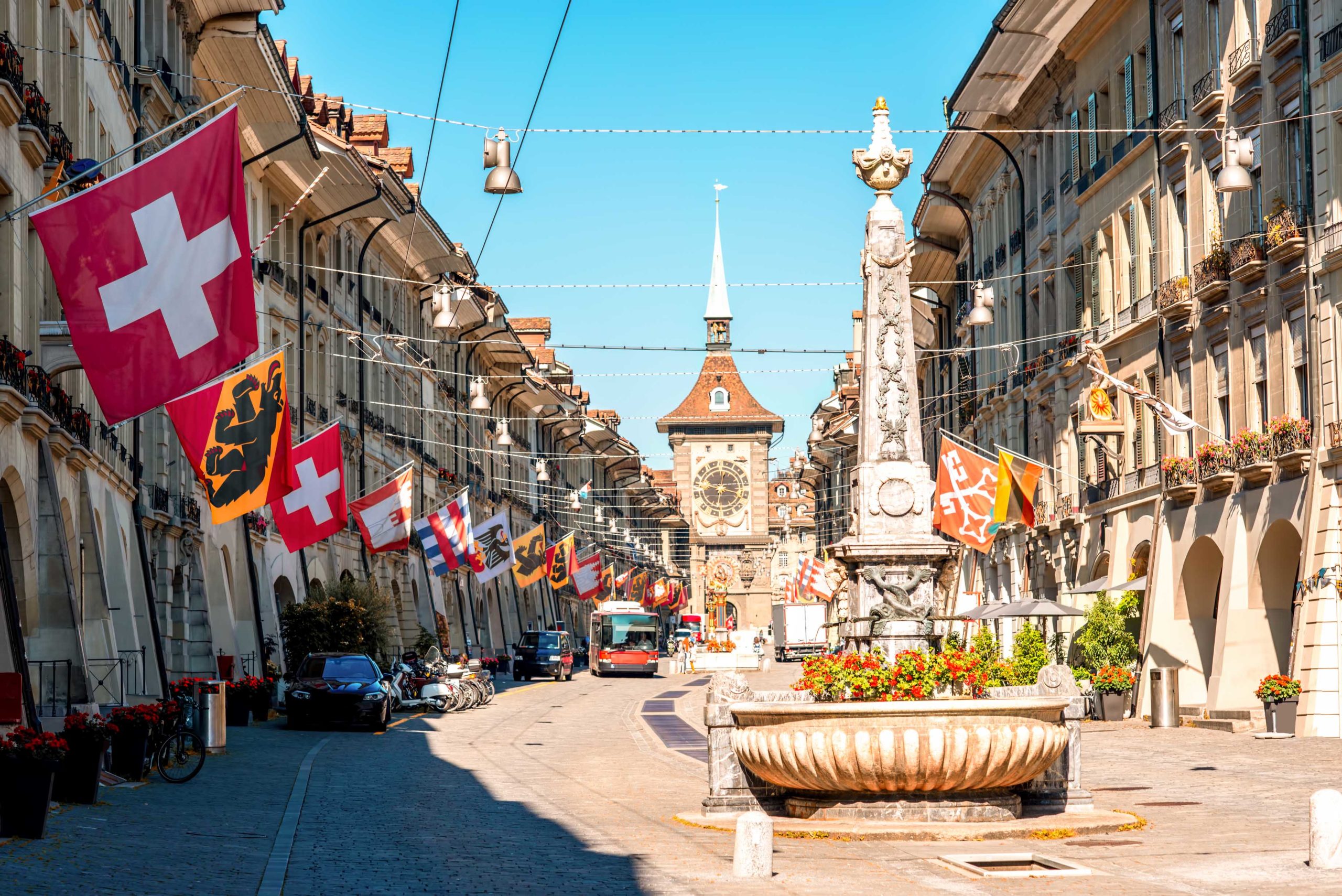
    Wandering its picture-postcard Old Town, with arcaded stone streets and a provincial, laidback air, it is hard to believe that Bern is the capital of Switzerland, but it is, plus a UNESCO World Heritage Site to boot. Indeed, on the city’s long, cobbled streets, lined with 15th-century terraced buildings and fantastical folk figures frolicking on fountains since the 16th century, you feel as if you’re in some kind of dizzying architectural canyon. From the surrounding hills, you’re presented with an equally captivating picture of red roofs crammed on a spit of land within a bend of the Aare River. In a nutshell, Bern captivates. Its alternative arts scene happening and its locals happy to switch from their famously lilting and slow local dialect to English, which all goes to show that there’s more to Bern than bureaucracy.

    Geneva64cae1df9e10191409dd14bbfdccb584.jpg

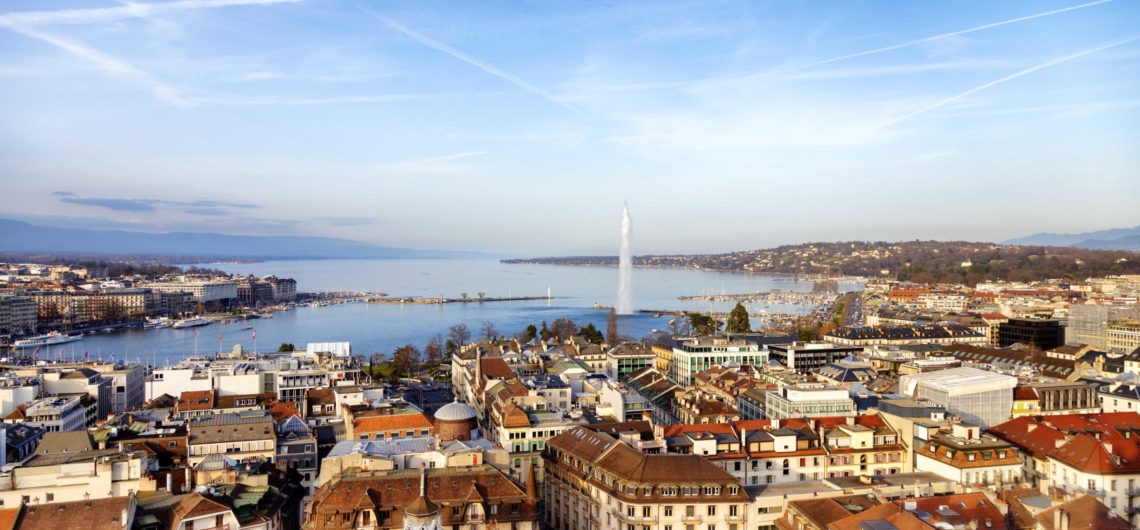
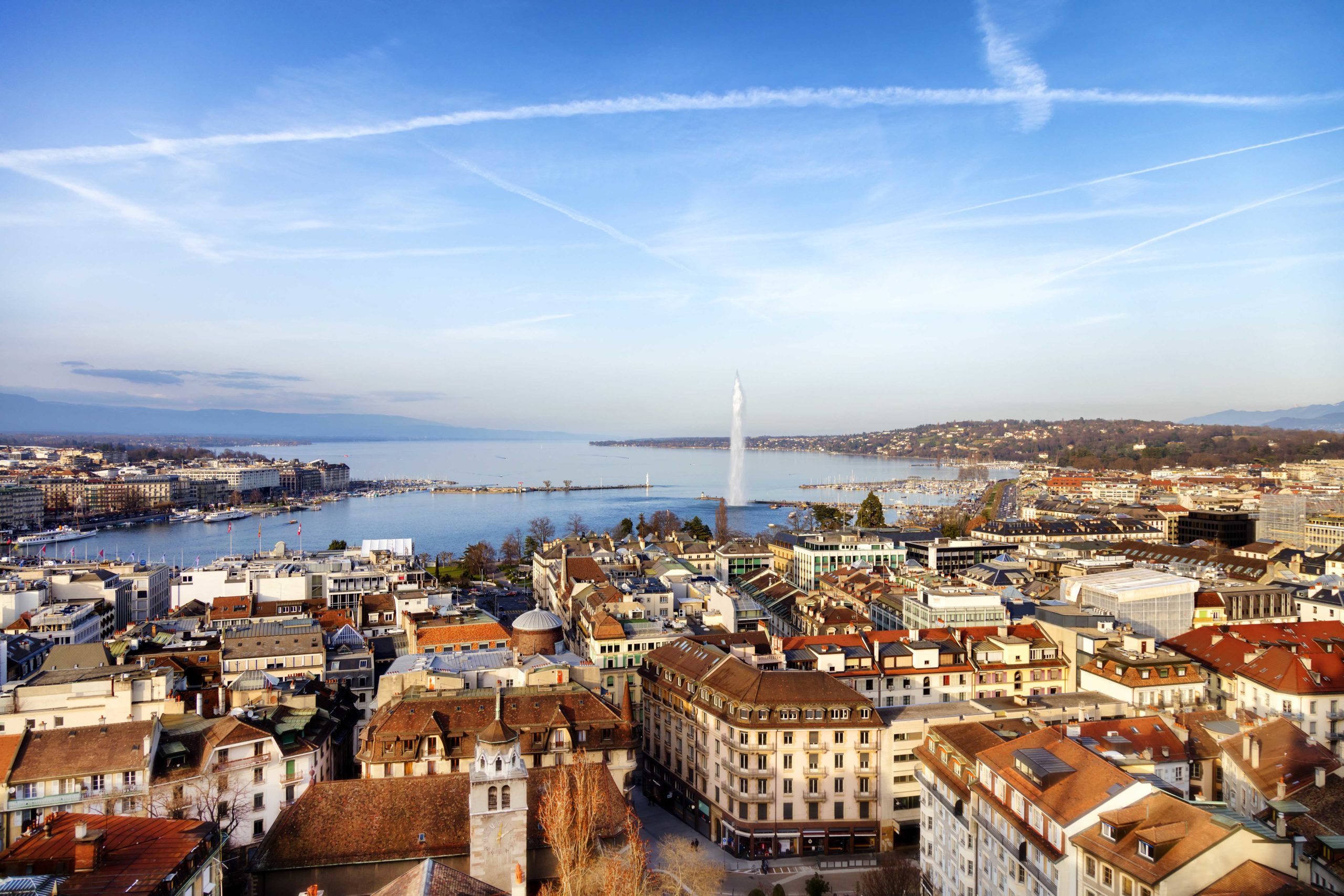
    Super sleek, slick and cosmopolitan, Geneva is a rare breed of city. It’s one of Europe’s priciest. Its people chatter in every language under the sun and it’s constantly thought of as the Swiss capital – which it isn’t. This gem of a city superbly strung around the sparkling shores of Europe’s largest Alpine lake is, in fact, only Switzerland’s third-largest city. Find luxury jewelers and chocolate shops for which the city is known. Strolling through manicured city parks, sailing on the lake and skiing in the Alps next door are hot weekend pursuits.

    Language

    Swiss German, French, Italian and English

    Electricity

    The electricity is 230 volts; therefore, an adapter and/or converter will be required

    Entry requirements

    Kindly make sure to have the proper documents required to enter the countries you are visiting. Please refer to www.travel.gc.ca for updated information. Regarding visas, you can refer the link:www.travel.gc.ca/travelling/advisories.Failure to obtain these documents prior to travel can result in being denied entry or exit from the country

    What Exotik can offer

  • Sri Lanka amazing
    • Capital: Economic capital: Colombo Administrative capital: Sri Jayawardenapura
    • Currency: Roupie sri-lankaise (LKR)

    A teardrop-shaped island on the edge of India. A frail skiff floating on the Indian Ocean. Sri Lanka “the resplendent island” full of life, a paradise abounding birds of a thousand colors, the most succulent fruit, huge trees and flowers unparalleled. A rich and ancient culture to discover in a delicate scent of spices accompanied by the unchanging rhythm of elephants

    Cities

    Colombo77503be243430ee3074bbd49cf962235.jpg

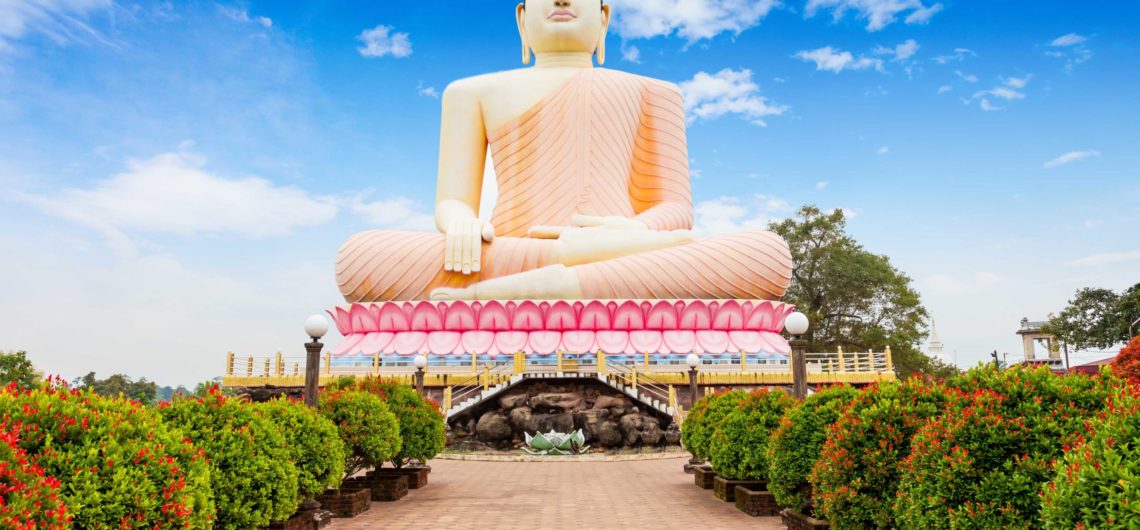
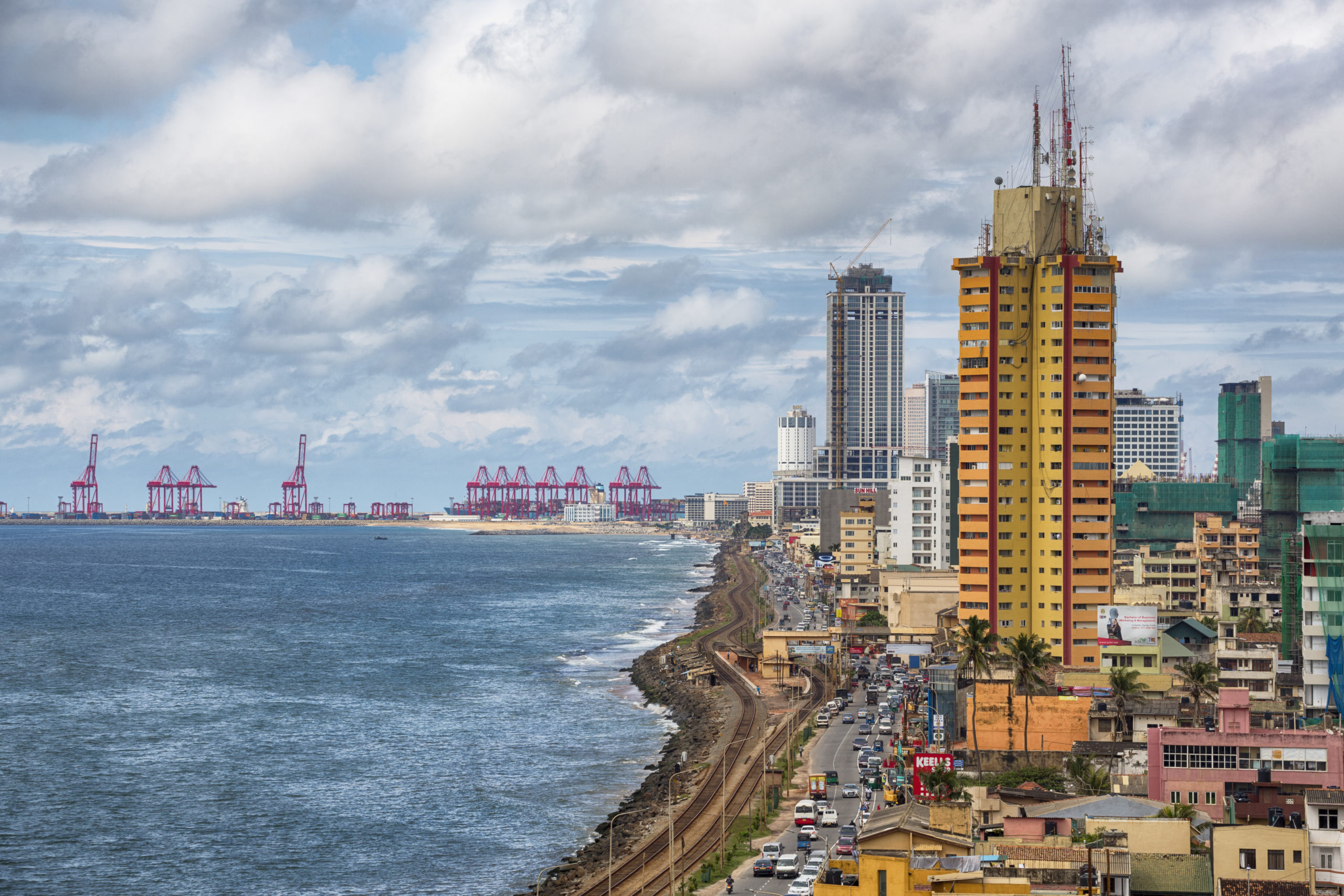
    Colombo, the capital of Sri Lanka. It was for a long time a port located on the old east-west trade routes. It has been occupied successively by the Portuguese, the Dutch and the British who have left a strong legacy reflected in its architecture that combines colonial buildings, towers and shopping centers. Do not miss the National Museum of Colombo, dedicated to the history of Sri Lanka which borders the vast park Viharamahadevi and its gigantic Buddha statue.

    Yala Parkb90ca1d0f8cd547b0b2a8cdca3135316.jpg

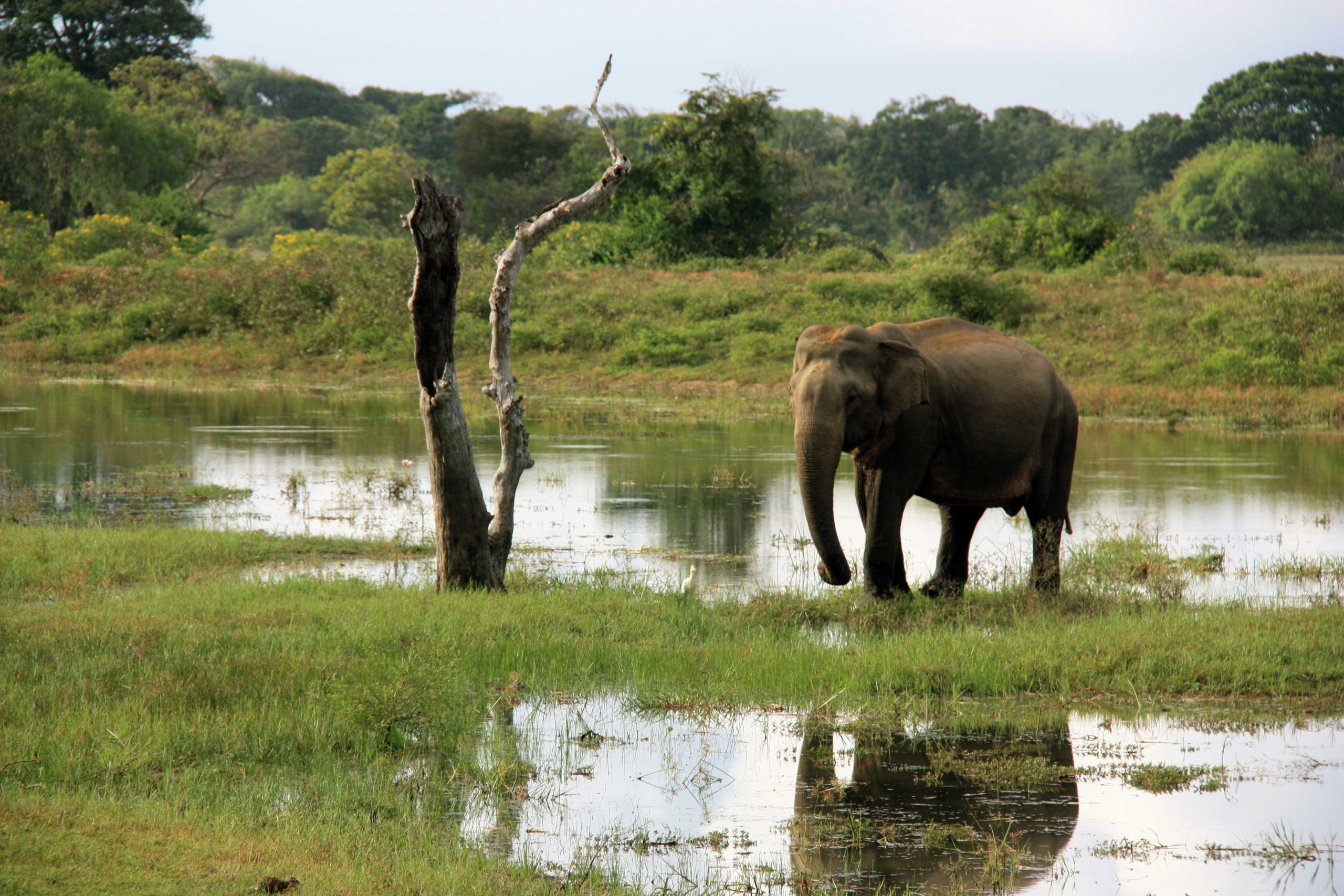
    Yala National Park or Ruhuna National Park is Sri Lanka’s second largest national park. The park is located in the southeastern region of the country in the southern province and the province of Uva. It covers 979 km2 and is located about 300 km from Colombo. Embark on a Jeep for a safari that will allow you to discover the richness of the wildlife of this park.

    Kandyc373f8cf61881a6c53af99d1c49c57a3.jpg

    Kandy was the last royal capital and is today one of Sri Lanka’s most important cities. It is part of the Sri Lanka Cultural Triangle with Anuradhapura and Polonnaruwa. The Cultural Triangle hosts sites of major cultural significance such as the famous Temple of the Buddha Tooth. Thanks to these strong cultural affiliations, the sacred city of Kandy is now a UNESCO World Heritage Site

    Galle5d8a171626a710e256b282d177c4649f.jpg

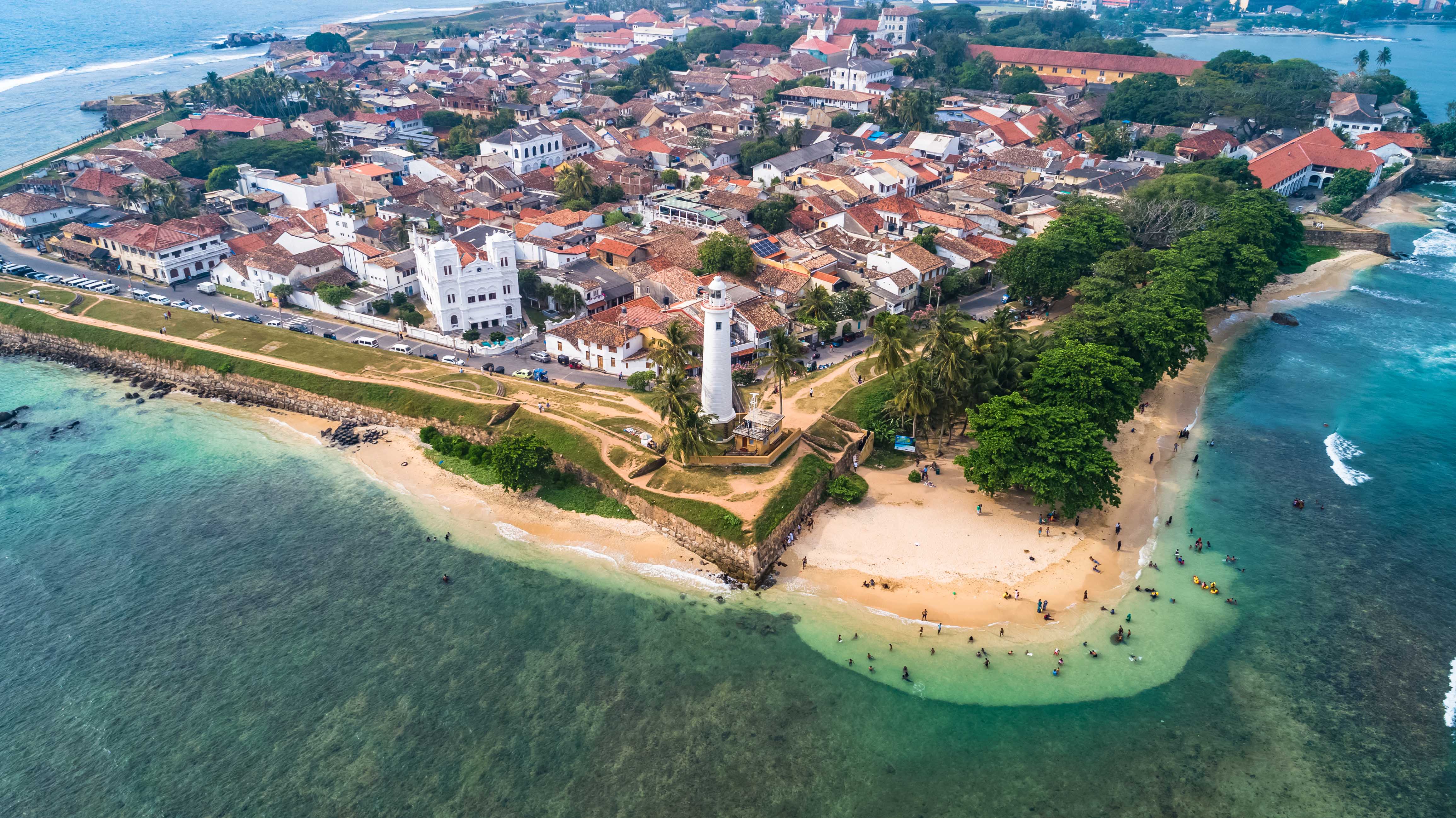
    Galle is the main city of the south of the island of Sri Lanka. Galle is a superb example of a walled city of European architectural styles and Asian traditions. The old town of Galle has a fort and fortifications protecting the narrow streets where you can see old Dutch houses, which are listed as World Heritage by UNESCO. It is thought to be the largest fortress built in Asia by European settlers. Among other remarkable monuments, you can even see the Cathedral Sainte-Marie built at the end of the nineteenth century by the first bishop of Galle, Joseph Van Reeth and his fellow Jesuits

    Language

    Sinhalese and Tamil. English is used by the government and spoken by about 10% of the population

    Electricity

    The electricity is 220-240 volts; therefore, an adapter and/or converter will be required.

    Communication

    International access code: 00 International dialing code: 94 Concerning national calls made in Sri Lanka, it is not necessary to dial the 94 country code. If you are calling from Canada, please dial 011, then 94 and finally the local phone number in Sri Lanka.

    What Exotik can offer

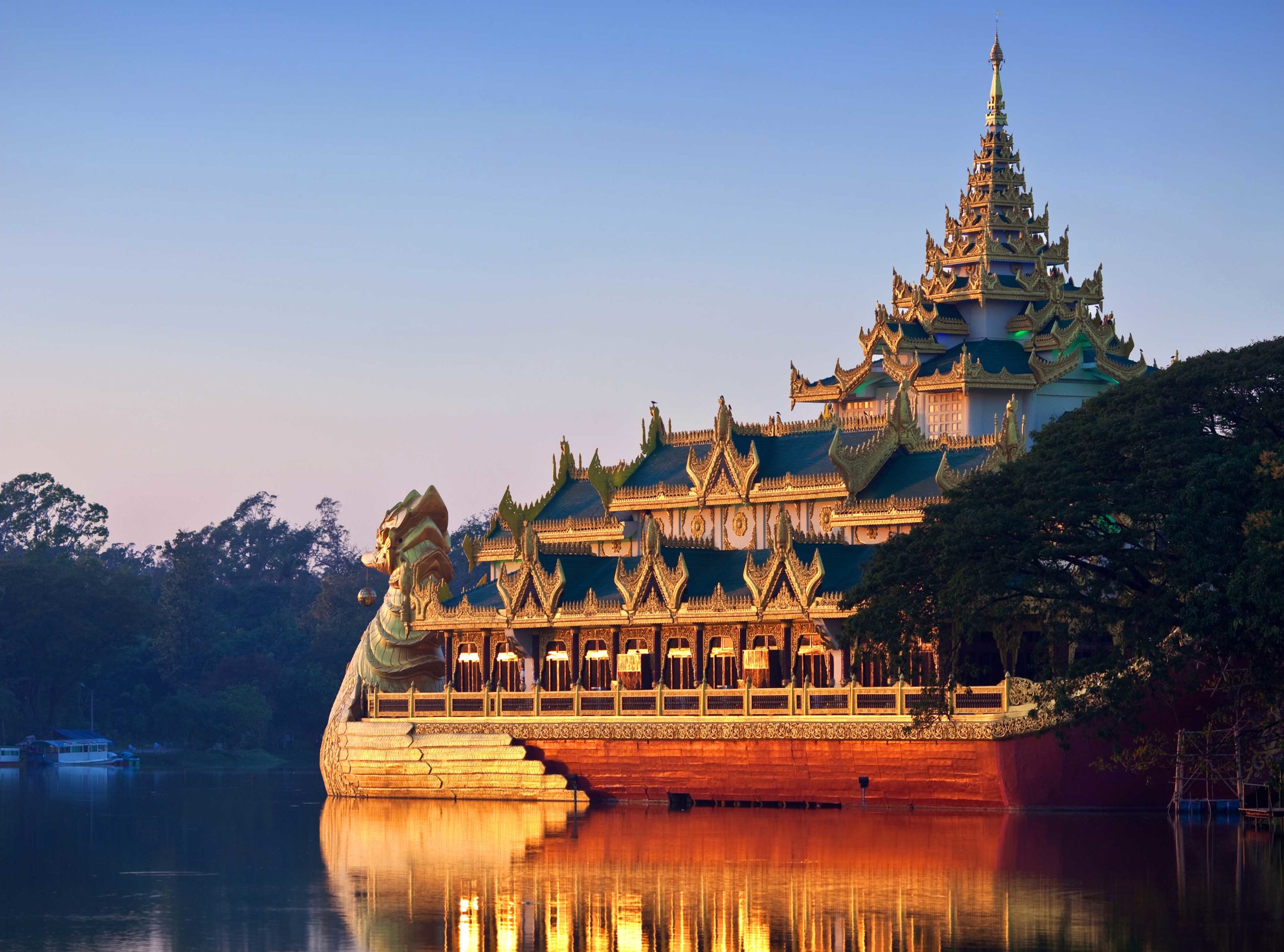
  • Our beach stays to Myanmar
    • Capital: Yangon
    • Time Zone: GMT +6
    • Currency: The local currency is the Kyat (MMK). FECs (Foreign Exchange Certificates) are Myanmar’s second legal currency and are issued especially for visiting tourists. You can also change US dollars on spot.

    To this day, Myanmar remains one of the most mysterious and undiscovered destinations in the world. A land of breathtaking beauty and charm now recently emerging into the modern world, Myanmar is on every savvy traveler’s bucket list.

    Cities

    Bagan50d6983c9f59420efe1b7ebf3627b4c3.jpg

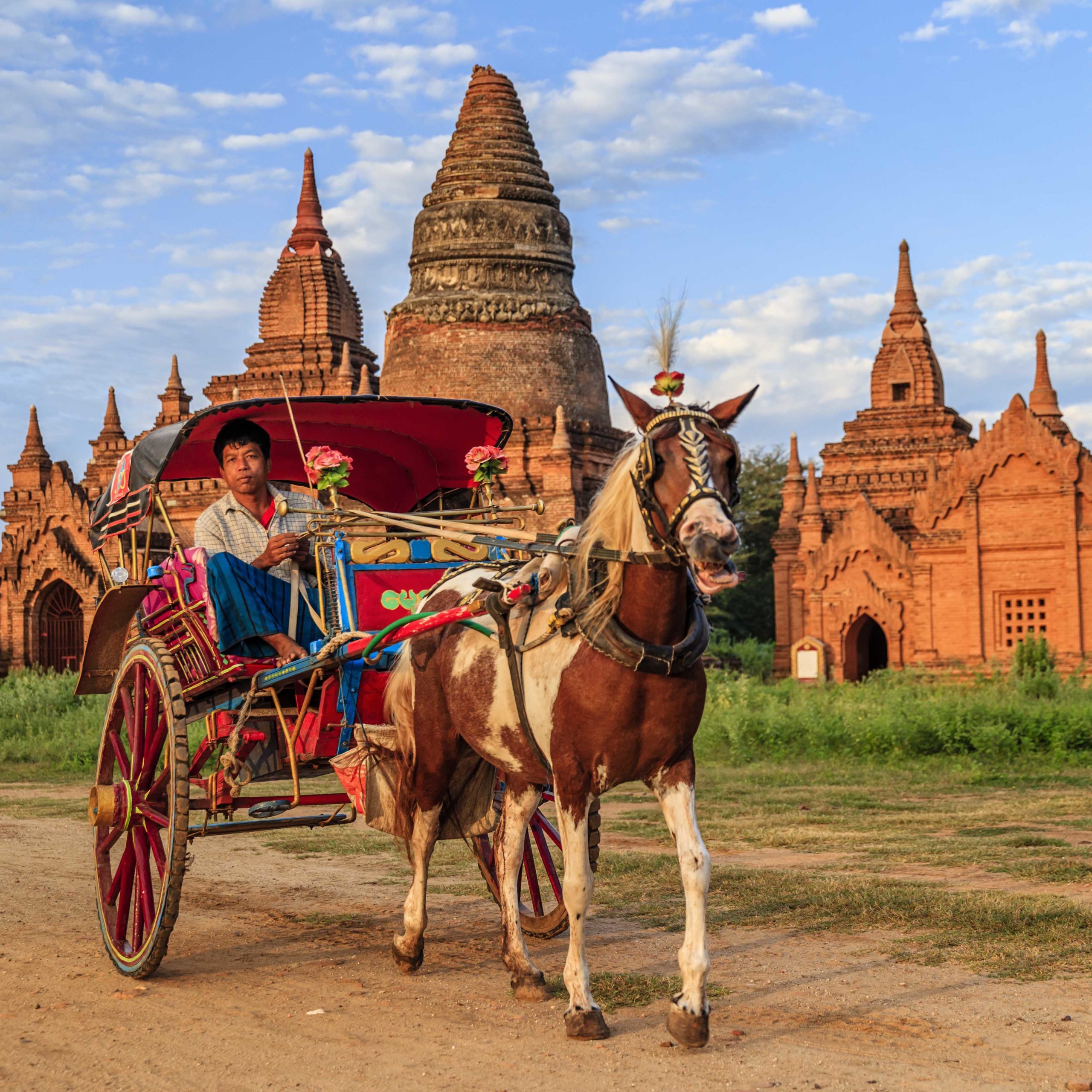
    One of the highlights of a holiday to Myanmar is a visit to the mysterious and striking plain of Bagan. Situated on the banks of the Irrawaddy River, this 42 square kilometer plain is the largest area of Buddhist temples, pagodas, stupas and ancient religious ruins in the world and date back as early as the 11th and 12th centuries.

    Yangon6c1797c8c58a316ce19dccde1ec69c9b.jpg

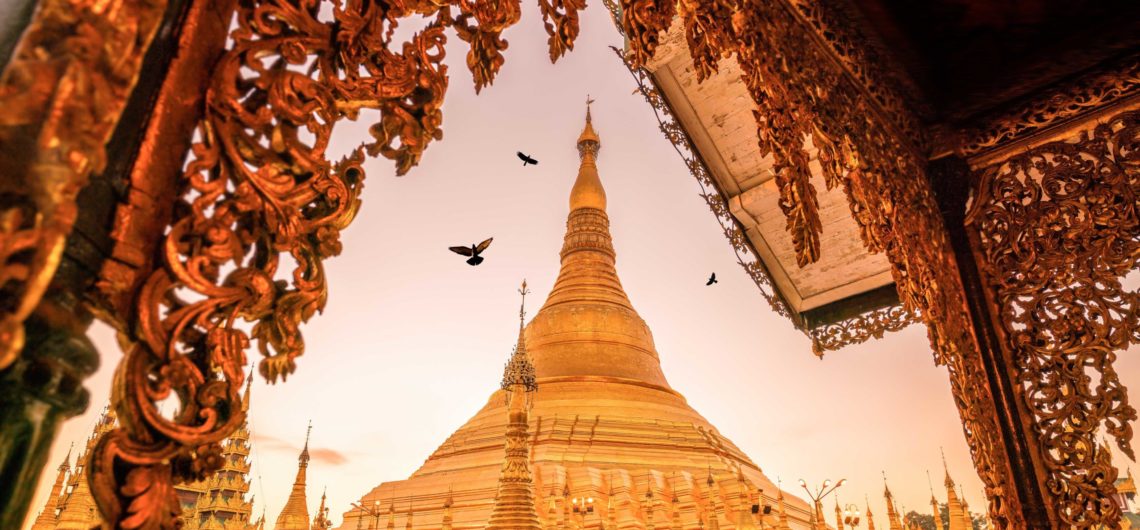
    Yangon, once known as Rangoon, has tree-shaded avenues and golden stupas and pagodas. A walk around downtown Yangon reveals the spectacular Shwedagon Pagoda, and some of the most impressive colonial era architecture in the region.

    Mandalay

    Mandalay offers the chance to offer alms and food to the monks and novices from the Mahagandayon Monastery before visiting the hundreds of peaceful stupas on Sagaing Hill.

    Inle Lake

    Inle Lake with its stilt house villages at the water’s edge is a must see – known for its famous legrowing fishermen.

    Language

    Burmese and numerous dialects.

    Electricity

    The electricity is 220 volts; therefore, an adapter and/or converter will be required.

    Entry requirements

     Veuillez vous assurer d’avoir toute la documentation nécessaire pour entrer ou sortir des pays que vous visiterez. Consultez le www.voyage.gc.ca pour les informations exactes, les plus à jour. Pour les visas, consultez le lien suivant : www.voyage.gc.ca/voyager/avertissements.
    Ne pas répondre aux exigences requises pourrait résulter en un refus des autorités de vous laisser entrer ou sortir du pays.
     

    Communication

    International access code: 00 International dialing code: 95 Concerning national calls made in Myanmar, it is not necessary to dial the 95 country code. If you are calling from Canada, please dial 011, then 95 and finally the local phone number in Myanmar.

    What Exotik can offer

  • Magical Botswana
    • Capital: Gaborone
    • Time Zone: GMT +1
    • Currency: Pula (BWP)

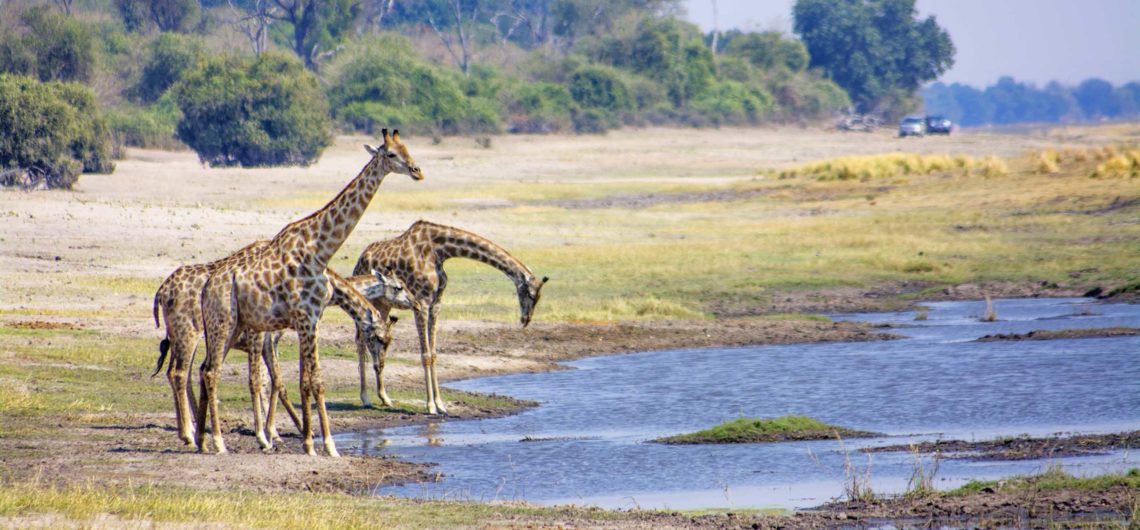
    Botswana is located in Southern Africa. It shares borders with Zambia to the north, Namibia to the north and northwest, Zimbabwe to the northeast and South Africa to the south and southeast. Therefore, Botswana is a landlocked country. Travelers looking for large space of deserts, savannas and marsh will be amazed by the beautiful scenery of the country, in addition to being charm by the hospitality of the villagers and fascinated by the extraordinary richness of it’s fauna and it’s artistic tradition.

    Cities

    Gaborone

    Gaborone is the capital of Botswana. It is located in southeastern Botswana, only 15 km from the South African border surrounded by the Kgale Valley and the Ooid Hills. This modern city offers many tourist and cultural attractions (museum, cathedrals, theater, night club, restaurant …). For nature lovers, the “Gaborone Game Reserve” located a few minutes from the city and “Mokolodi Nature Reserve” will allow you to discover a great diversity of animal species, zebras, antelopes, hippopotamuses or the famous white rhinoceros.

    Francistown

    It is located in the eastern part of Botswana, about 400 km northeast of the capital, Gaborone. Often referred to as the “Capital of the North”, it is a gateway to Zimbabwe or the Okavango regions. Nevertheless, Francistown is an authentic and modern city that has preserved its buildings of the time and offers us many cultural and historical sites.

    Serowe

    The city lies west of the capital Gaborone. It is one of the most important “Villages” of Botswana. Serowe is a multicultural city thanks to the cohabitation of different local ethnic groups, the majority of whom are called Bangwatos. This city is also a journey through the history of African royalty, still known today as the ancient land of kings. It is also the city where the most important fgures of Botswana’s contemporary history were born.

    Kasane

    City of the Okavango-Chobe region, the northeast corner of Botswana. Located on the south bank of the Chobe River, it faces the Caprivi Strip in Namibia to the north. Zimbabwe and Zambia are nearby. Kasane is a tourist hub, a starting point for Chobe National Park and Victoria Falls.

    Language

    The majority of the population speaks the national language that is twsana, also called Setswana. About thirty minority languages are spoken and divided into three groups: Bantu languages (the majority), Khoisanes languages and Germanic languages (Afrikaans and English). English has the status of an ofcial language.

    Electricity

    The electricity is 220 volts; therefore, an adapter and/or converter will be required.

    Entry requirements

     Kindly make sure to have the proper documents required to enter the countries you are visiting. Please refer to www.travel.gc.ca for updated information. Regarding visas, you can refer to the link: www.travel.gc.ca/travelling/advisories.
    Failure to obtain these documents prior to travel can result in being denied entry or exit from the country.
     

    Communication

    International access code: 00 International dialing code: 267 Concerning national calls made in Botswana, it is not necessary to dial the 267 country code. If you are calling from Canada, please dial 011, then 267 and fnally the local phone number in Botswana.

    What Exotik can offer

  • Hidden Balkans with Greece
    • Capital: Sarajevo
    • Time Zone: GMT +1
    • Currency: The convertible mark is the currency of Bosnia and Herzegovina.

    Bosnia and Herzegovina, located in Southeast Europe on the Balkan Peninsula, is a country rich in history, culture, and natural beauty. Known for its diverse landscapes, it features stunning mountains, rivers, and medieval villages, offering both adventure and tranquility for travelers. The country is also home to a unique blend of cultures, with influences from Ottoman, Austro-Hungarian, and Slavic heritage, visible in its architecture, cuisine, and traditions. Cities like Sarajevo, with its historic old town, and Mostar, famous for its iconic bridge, showcase the country’s vibrant past and welcoming spirit. Bosnia and Herzegovina is a hidden gem waiting to be explored.

    Cities

    Banja Luka

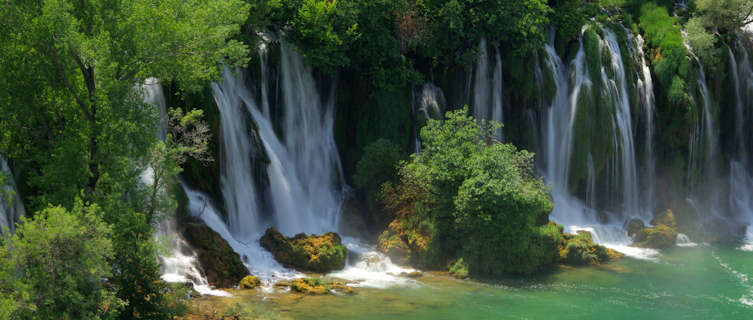
    Banja Luka, the second-largest city in Bosnia and Herzegovina, is located in the Republika Srpska entity. Known for its lush green spaces, riverside promenades, and relaxed atmosphere, Banja Luka offers a blend of natural beauty and historical landmarks. The Kastel Fortress, located near the Vrbas River, offers panoramic views of the city, while the nearby Pliva Lakes and waterfall provide outdoor enthusiasts with opportunities for hiking and relaxation. Banja Luka is a great destination for those seeking a peaceful escape with a touch of history and culture.

    Mostar

    Mostar, located in the southern part of the country, is famous for its picturesque Old Bridge (Stari Most), which spans the Neretva River. This UNESCO World Heritage site is a symbol of the city and a popular tourist attraction. Mostar has a charming old town with narrow cobbled streets, vibrant bazaars, and Ottoman-era architecture. The city’s history is marked by both its beautiful past and its resilience during the Bosnian War. Mostar offers visitors a mix of stunning natural scenery and fascinating history.

    Sarajevo

    Sarajevo, the capital of Bosnia and Herzegovina, is known for its rich history and cultural diversity. Often referred to as the “Jerusalem of Europe,” the city has a unique blend of Ottoman, Austro-Hungarian, and Slavic influences, which is reflected in its architecture, food, and traditions. Key landmarks include the historic Baščaršija market, the stunning Gazi Husrev-beg Mosque, and the Latin Bridge, where Archduke Franz Ferdinand was assassinated in 1914, sparking World War I. Sarajevo is a city where East meets West, and it offers visitors a captivating mix of history, culture, and modernity.

    • Time Zone: GMT +6
    • Currency: Ngultrum (BTN)

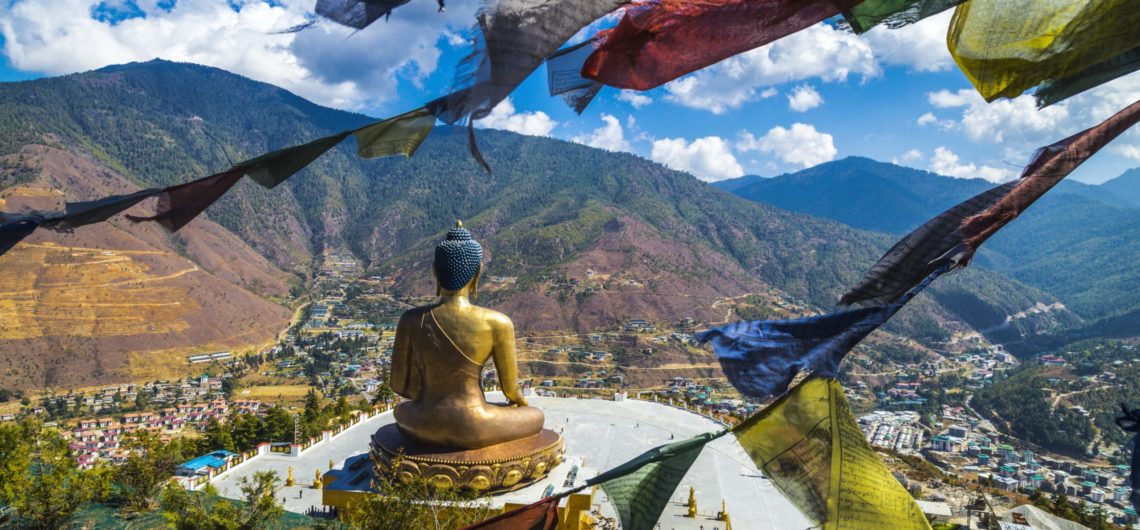
    Drukyul, as Bhutan is known here, is a land of arresting contrasts – and uncommon harmony. It’s a place where people can find peace and do business, experience living traditions and discover wilderness teeming with life.

    Language

    Dzongkha

    What Exotik can offer

  • Australis – Darwin’s route
    • Capital: Buenos Aires
    • Currency: Argentinean Peso (ARS)

    Argentina covers the southern part of South America, from the Andes to the Atlantic Ocean, with a total area of 2 766 889 km2. Of the 37 million inhabitants of the country, 13 million live in Buenos Aires, the capital. The country is bordered on the north by Bolivia and Paraguay, on the east by Brazil, Uruguay and the Atlantic Ocean and finally on the west by Chile. Argentina also shares part of the territory of the Land of Fire “Tierra del Fuego” with Chile. The country is divided into four major physiographic provinces: the Andes in the west, the fertile plain of the north, the central Pampas and Patagonia

    Cities

    Buenos Aires9f5ac56512c329bf69805504250bb611.jpg

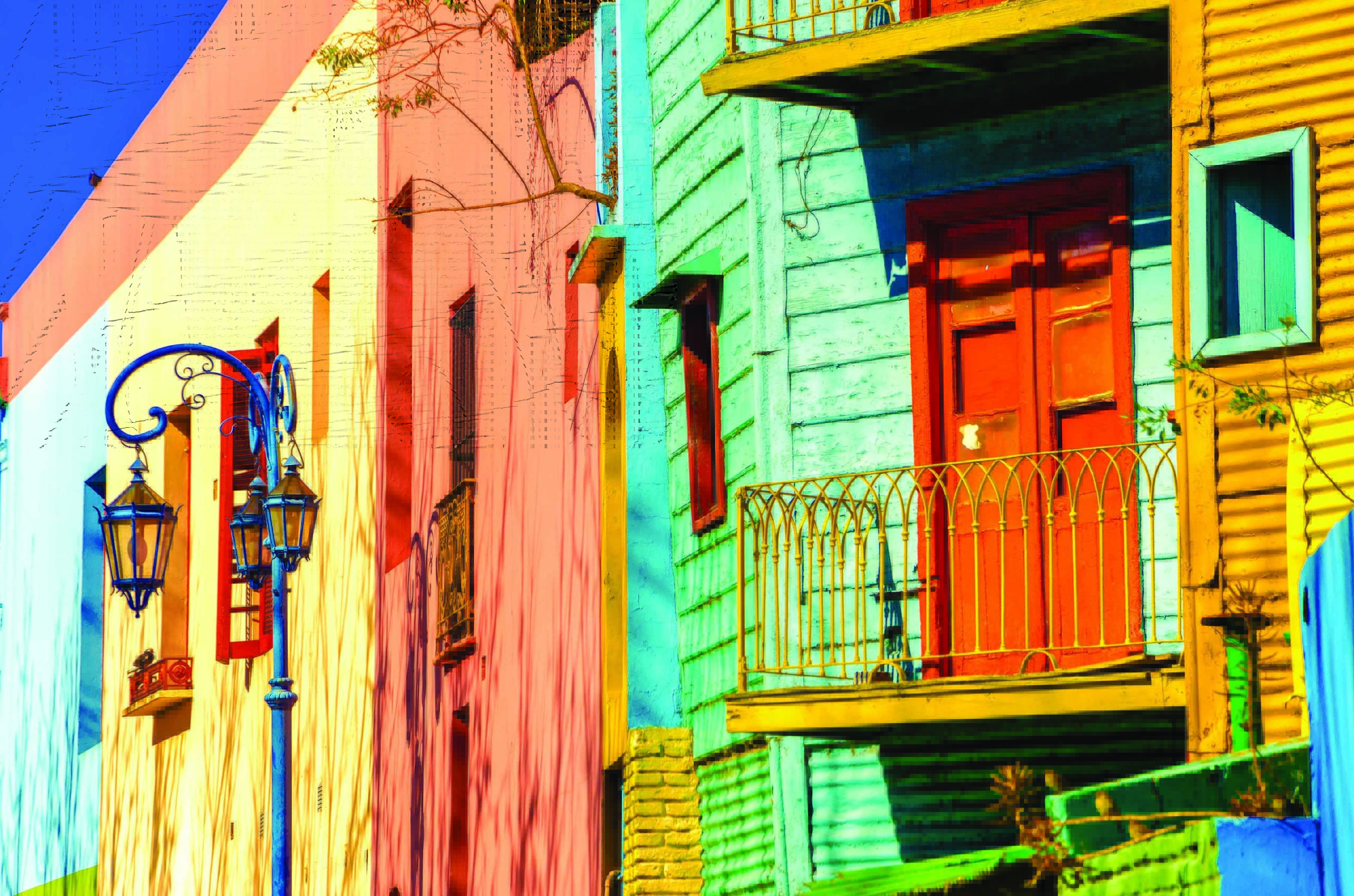
    Legendary city of the tango, this dance born in the lowlands of the port. A cosmopolitan city that has seen generations of immigrants come from overseas, making it a city of the Old Continent as well as the New World… In one-word, fascinating Buenos Aires! Buenos Aires the prosperous has turned into a city with two speeds, all in contrasts. Poverty is rife in the tin houses of the villas miserias, slums suburbs where thousands are treated as rejects while the districts of Recoleta, Palermo and Belgrano are beautiful. In addition, if the city is alive by day, it is a capital city that also knows how to live after sunset. Do not come back to sleep at 11pm under the pretext that the streets are not very animated: the evening is just beginning! In summer, enjoy shaded terraces. And above all, in any circumstance, do not hesitate to start the conversation. Communication is easy

    Iguazu Falls9a916c92d613e5b2b87e902a597af06b.jpg

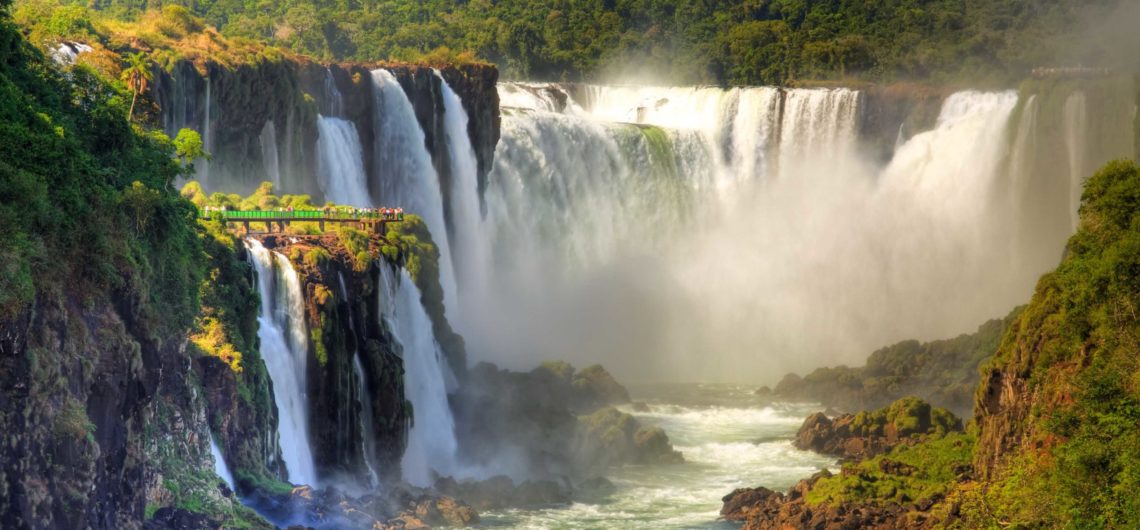
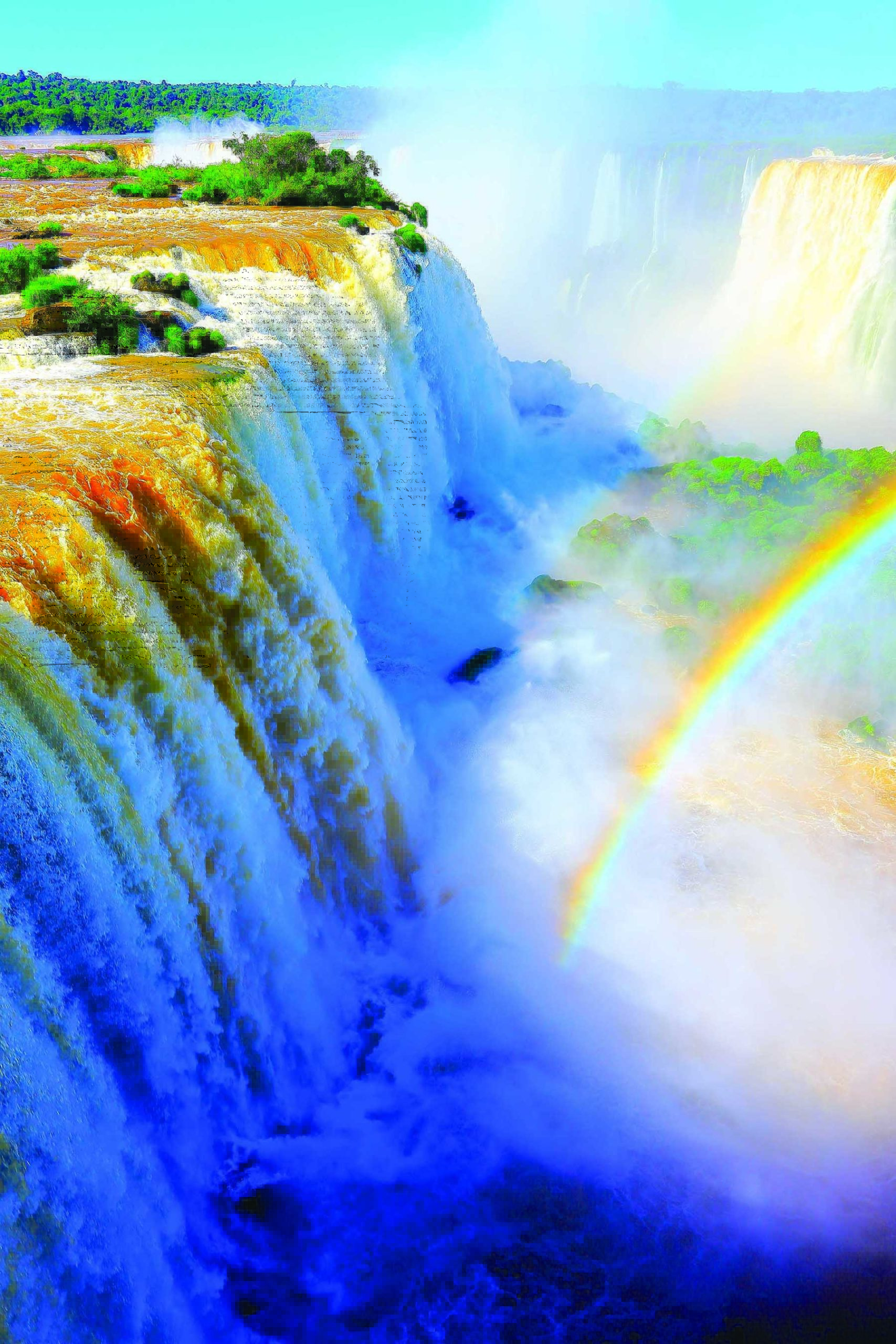
    The Iguazu Falls are certainly one of the most beautiful shows that nature can offer us on this planet. In the heart of the rainforest, more than 6 million liters of water flow every second throughout this park that tourists will discover while making pleasant hikes, whatever their age and their physical condition . The beauty of the Iguazu Falls is such that in 2012 they were voted one of the “Seven Natural Wonders of the World” at the New7Wonder Foundation, a vote in which over one billion people participated. On this occasion, Enio Cordeiro, the Brazilian ambassador to Buenos Aires, declared that “these wonders survive all the existing wonders that will exist because they are the wonders of nature”. On the border between Argentina and Brazil, the Iguazu National Park offers to the visitor a fantastic show in the rainforest: the Iguazu River which flows with a crash of 275 waterfalls, the highest reaches a height of 72 meters, the famous Garganta del Diablo (Devil’s Throat). Most of the falls are located in the Argentine territory: 4 footpaths will allow you to discover them by approaching you as close as possible, to observe them from the bottom or the top, in the heart of the forest. When the affluence is not very important, you may have the chance to observe the local fauna, iguanas, toucans and other parrots, eagles flying over the falls, peccaries, caimans or other coatis.

    Pantagonia0132c44c6885a0189221f215365c4910.jpg

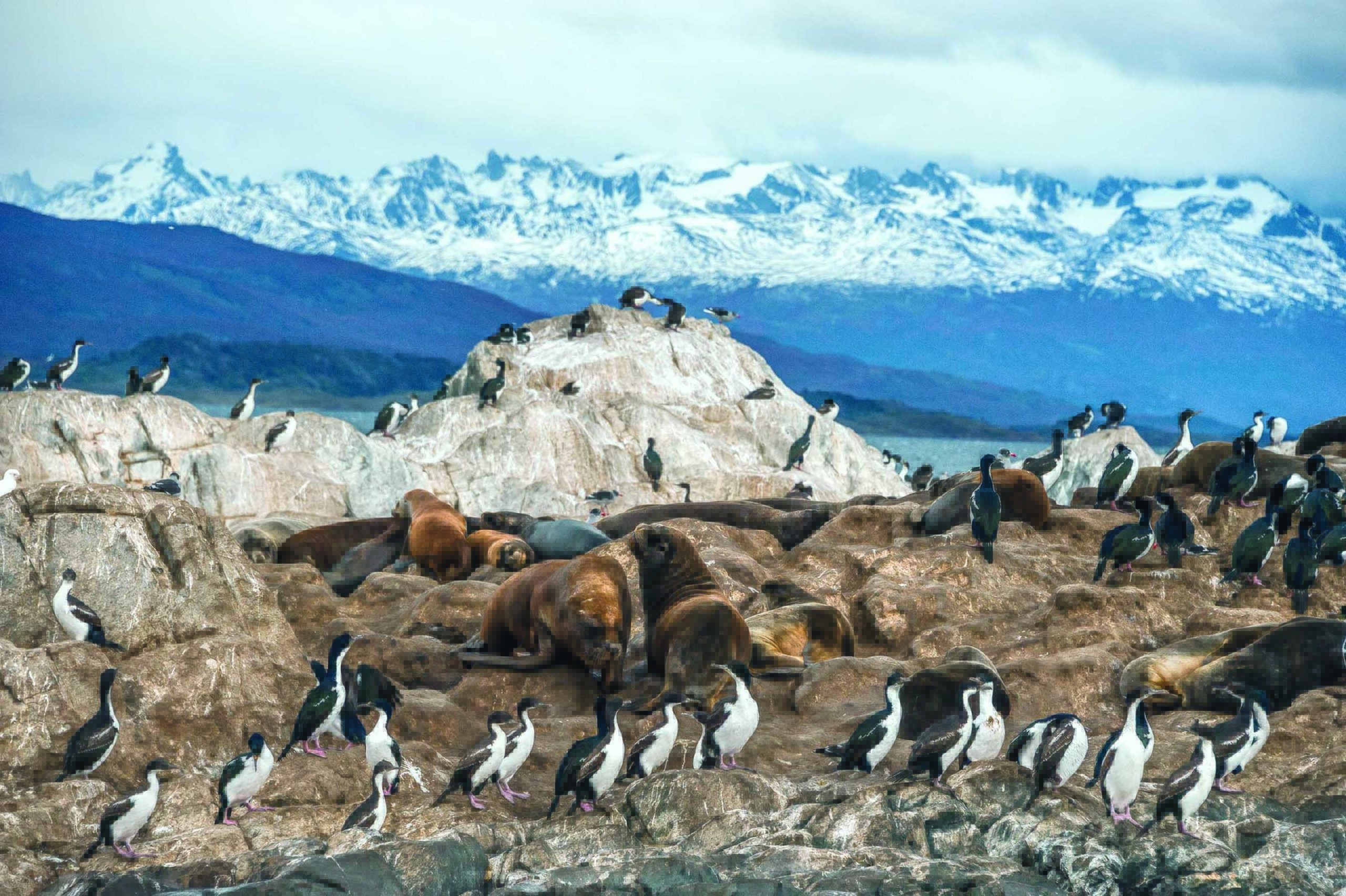
    Delimited to the north by Colorado River and to the south by Cape Horn, Patagonia is a desert territory with less than one inhabitant per square kilometer. Most of this territory belongs to Argentina and the rest to Chile. This land fascinates by its wide spaces and its diversity, the beauty of the nature and the richness of the animals which it shelters. At the end of Patagonia there is the Land of Fire “Tierra del Fuego”. Argentina occupies only a third of the island, whose area is comparable to that of Ireland. The Strait of Magellan separates the Land of Fire “Tierra del Fuego” from the rest of South America. It’s actually a real archipelago.

    Language

    Even if Spanish is the most spoken language in Argentina, some other languages are also used as the Quechua, the Guarani, and the Araucanian

    Electricity

    The voltage is 220 V. An adapter and a converter are required during your stay

    Communication

    International access code: 00 International dialing code: 54 Concerning national calls made in Argentina, it is not necessary to dial the 54 country code.If you are calling from Canada, please dial 011, then 54 and finally the local phone number in Argentina

    • Capital: Lusaka
    • Time Zone: GMT +2
    • Currency: Zambian Kwacha

    The land of the legendary African walking safari, Victoria Falls, the wild Zambezi River, abundant wildlife and untamed wilderness – all in one friendly country. Blessed with awe-inspiring natural wonders, a plethora of wildlife, huge bodies of water and vast open spaces, Zambia offers unforgettable holidays exploring the real Africa. Acknowledged as one of the safest countries in the world to visit, Zambia’s welcoming people live in peace and harmony. And here, in the warm heart of Africa, you will find some of the finest safari experiences on the planet, including face-to-face encounters with nature at its most untrammeled. Spectacular waterways provide adrenaline thrills or a leisurely playground for all ages. The birdlife is among the most diverse in the world. Seventeen magnificent waterfalls, in addition to the spectacular Victoria Falls, provide avid adventurers with unique experiences and a taste of village life. Spectacular daily sunsets are almost guaranteed in this slice of paradise.

    Cities

    Kafue National Park

    Found in the centre of western Zambia, Kafue is the oldest and largest of Zambia’s national parks. It covers a massive 22 400 km² / 8 650 mi². Founded in the 1920s and formally established as a national park in the 1950s by the legendary Norman Carr, Kafue is one of the largest reserves in the whole of Africa. Despite its size and prominent location only two hours’ drive from Livingstone, it remains little-known and largely unexplored with vast tracts of its virgin bush still untouched. Thanks to its size and variety of habitats, Kafue holds a fantastic diversity of wildlife.

    Lower Zambezi National Park

    While this park is developing rapidly and gaining in popularity as the game bounces back, its beauty still lies in its unchanged wilderness state. The diversity of animals is not as wide as the other big parks (there are famously no giraffes as the hilly terrain that protects the Zambia River doesn’t suit them) but the opportunities to get close to game wandering in and out of the Zambezi channels are spectacular. It lies opposite the famous Mana Pools National Park in Zimbabwe, so the whole area on both sides of the Zambezi River is a massive wildlife sanctuary.

    Busange Plains

    Red lechwe leaping across shallow wetlands, lions hunting in golden grasses, and elephants emerging out of morning mist – this is the Busanga Plains experience. Found in the northern region of Zambia’s Kafue National Park, this remote wilderness is distinct from the miombo woodlands of the park. Instead, flat grassland dambos are dotted with date palms and sausage and fig trees. As the flood waters recede over June to November, the Busanga Plains become accessible for safaris characterised by outstanding game-viewing, predator action and colourful birdlife.

    South Luangwa National Park

    Very few places in Africa can offer the unique combination of South Luangwa National Park’s open, grassy plains and mature, mesmerizing woodlands, crowned with the pristine, impressive Luangwa River. This area’s reputation for abundant wildlife and unspoiled vegetation is well earned, so whether driving around or walking through, the intense beauty calls to you from every corner. South Luangwa National Park is the highlight of eastern Zambia. Known to locals as simply ‘the South Park,’ it was initially founded as the Luangwa Game Park in 1904, and converted to one of three game reserves in 1938. The impressive park covers an area of about 9050 square kilometers of the Luangwa Valley floor, and lies anywhere from 500 meter to 800 meter above sea level. With its western and northwestern edge bounded by the Muchinga Escarpment, and the southern border lined with the meandering Luangwa River, there’s no shortage of dramatic and fascinating topography in this stunning game-rich park.

    Victoria Fallsf21b871f06ac123dd4ef24d2a263e185.jpg

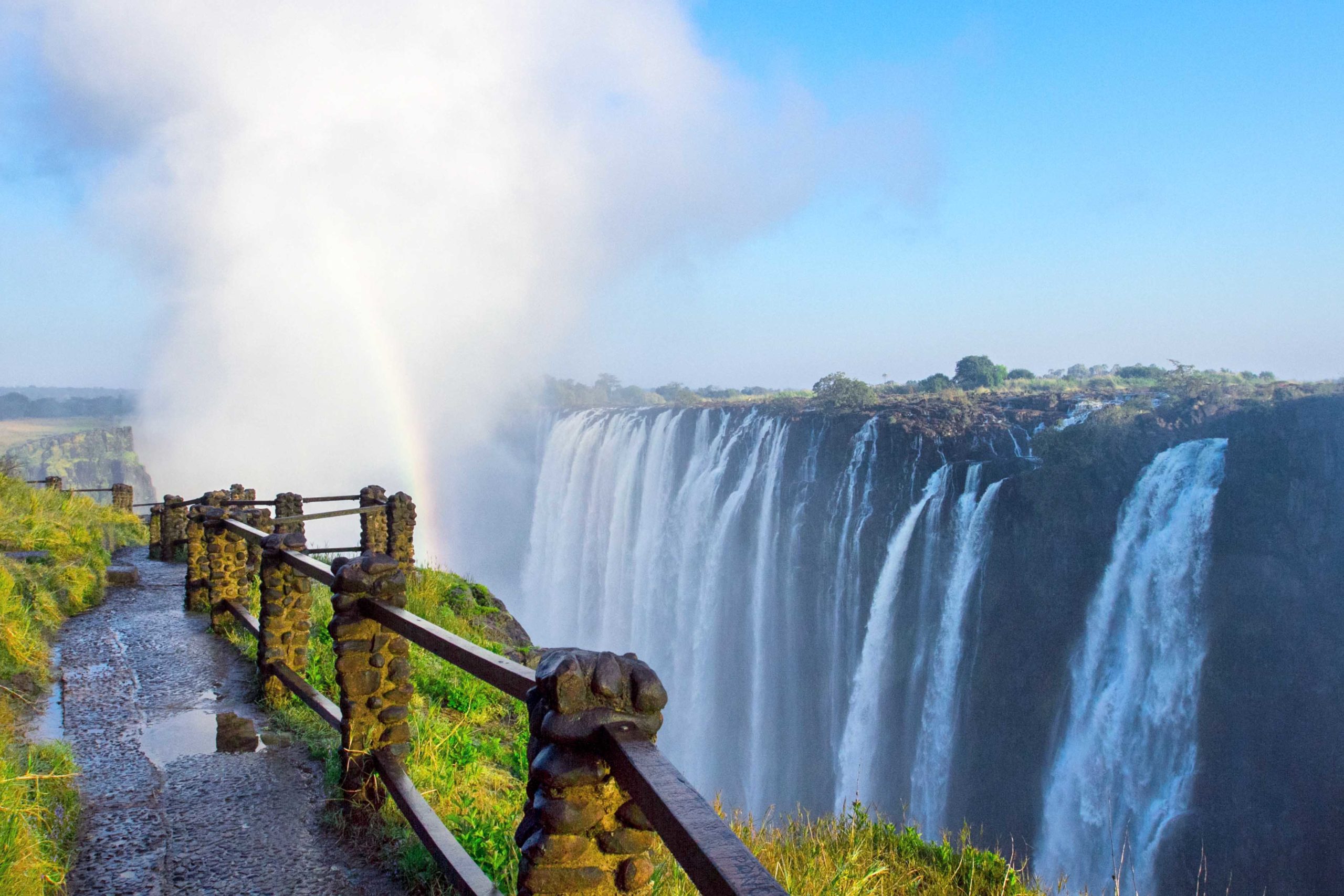
    The Victoria Falls presents a spectacular sight of awe-inspiring beauty and grandeur on the Zambezi River, forming a natural border between Zambia and Zimbabwe. It was described by the Kololo tribe living in the area as ‘Mosi-oa-Tunya’ – ‘The Smoke that Thunders’ for the immense spray and incredible noise caused by the rushing water. Victoria Falls is now also known as the greatest curtain of falling water in the world when its width and height are combined. Columns of spray can be seen from miles away as, at the height of the rainy season, more than five hundred million cubic metres (over 17 billion cubic feet) of water per minute plummet over the edge, over a width of nearly two kilometres or over a mile, into a gorge over a hundred metres or 300 feet below.

    Language

    There are seven official vernacular languages: Bemba, Nyanja, Lozi, Tonga, Luvale, Lunda, and Kaonde. English is the official language of government.

    Electricity

    230V supply voltage and 50Hz. Power plugs and sockets (outlets) of type C, type D and type G are used.

    Entry requirements

    Kindly make sure to have the proper documents required to enter the countries you are visiting. Please refer to www.travel.gc.ca for updated information. Regarding visas, you can refer to the link: www.travel.gc.ca/travelling/advisories.

    Failure to obtain these documents prior to travel can result in being denied entry or exit from the country.

    Communication

    International access code: 00 International dialing code: 260 Concerning national calls made in Zambia, it is not necessary to dial the 260 country code. If you are calling from Canada, please dial 011, then 260 and finally the local phone number in Zambia.